


Updated 24 September 2026
Sensory Rooms for Schools in the UK: Planning, Costs and Funding
For headteachers, SENDCos, business managers and trust estates leads who want a sensory room that pupils actually use, that stands up to governors, and that is safe from day one.
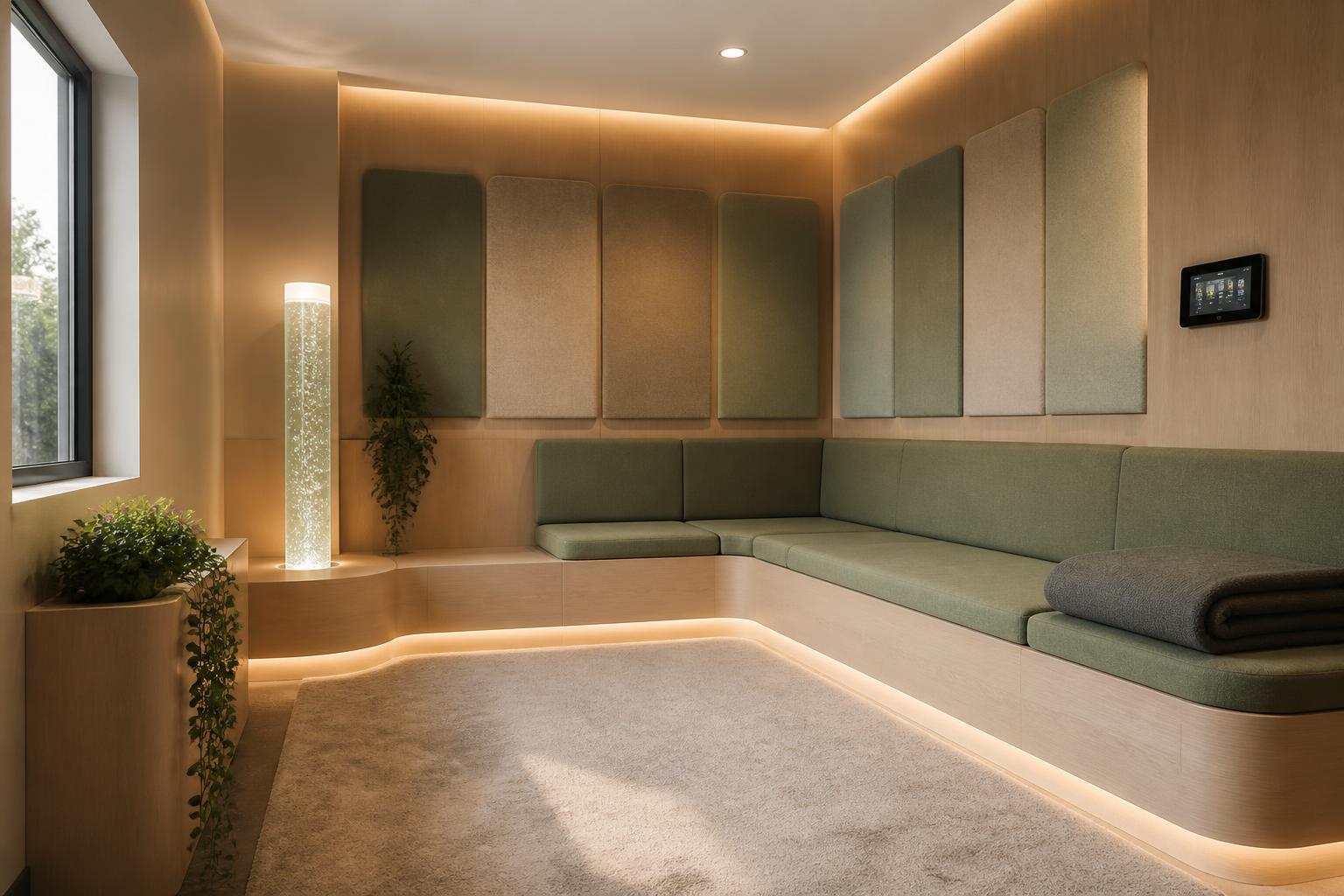
A sensory room is one of the most requested and least planned purchases in UK schools. The request usually arrives as "we need a sensory room", and the budget follows before anyone has agreed who it is for, how it will be staffed or how the school will know it is working. This guide sets out the decisions to make first, so the money goes on outcomes rather than equipment that gathers dust.
Why schools are investing in sensory rooms
Rising numbers of pupils with identified special educational needs, longer waits for assessment, and more pupils struggling to stay in class have made regulation a whole-school issue. A well-run sensory room gives pupils a predictable place to settle their nervous system, and gives staff a planned alternative to repeated classroom exits.
A sensory room supports pupils with autism, ADHD, sensory processing differences, anxiety and trauma histories, but many schools find it helps a far wider group at key pressure points: transitions, unstructured times and exam periods.
Step 1: agree the purpose in writing
Before any quotes, the senior leadership team should agree one paragraph that answers four questions:
- Who is it for? Named cohorts, for example pupils with EHCPs, a nurture group, or any pupil with a regulation plan.
- What is it for? Calming and recovery, alerting and readiness to learn, or both.
- What is it never for? Sanctions, isolation or unsupervised time out.
- How will we know it works? Two or three measures, agreed in advance.
That paragraph becomes the brief for your supplier, the basis of your funding bid and the first page of your governors' report.
Step 2: choose the right format
| Format | Best for | Typical cost |
|---|---|---|
| Calming corner in a classroom | Early regulation, low budget | £300 to £1,500 |
| Converted small room | Most primary and secondary schools | £2,000 to £8,000 |
| Fully specified sensory room | Special schools and resourced provisions | £10,000 and upwards |
| Self-contained sensory pod | No spare room, noisy corridors, shared sites | From £4,759 |
A self-contained pod is worth considering when the building has no quiet room, when sound insulation is the real problem, or when the space may need to move between sites. Our Peace PODs arrive complete and can be placed indoors or outdoors.
Step 3: design for low arousal first
The most effective school sensory rooms are calm by default and can be turned up when a pupil needs alerting input. In practice that means:
- Lighting: warm, dimmable, no overhead glare. One slow visual focal point such as a bubble tube.
- Acoustics: soft furnishings, acoustic panels and a door that closes well. Schools often overspend on equipment and underspend on sound.
- Deep pressure and texture: weighted items, cushions and a corner to fold into.
- Movement: a rocker, a wobble cushion or space to stretch, for pupils who regulate through movement.
- Choice: a simple visual menu so pupils can say what they need.
Keep displays to a minimum. Every extra screen, poster and colour raises arousal.
Step 4: safeguarding and staffing
A sensory room is a supported space a pupil chooses to use. It must never be locked from outside, and staff should always be present or in direct line of sight. Agree who can refer a pupil, how long a visit lasts, what happens on return to class, and where each visit is logged. Review the log every half term.
The most important piece of equipment is a calm, trained adult. Regulation happens through co-regulation, which is why CPD-accredited school training for the staff who use the room makes more difference than any single item you buy.
Step 5: funding a school sensory room
Common UK routes include:
- The school's SEN notional budget.
- High needs top-up funding for named pupils, where the room is part of their provision.
- Pupil premium, where the rationale for disadvantaged pupils is documented.
- Devolved formula capital or trust capital bids for building works.
- PTA fundraising and local charitable or community grants.
Bids are stronger when they name the pupils who will benefit, the outcomes you expect and how you will measure them. Our guide to how schools fund sensory rooms and Peace PODs goes into each route in more detail.
Step 6: measure impact
Record a baseline before the room opens, then track two or three of the following each term: lesson minutes retained, full classroom exits, recorded incidents, attendance for named pupils, suspensions, and a simple pupil self-report before and after each visit. This is the evidence governors, trusts and funders ask for.
A simple commissioning checklist
- Written purpose agreed by the senior leadership team.
- Format chosen: corner, converted room, full room or pod.
- Low-arousal design with adjustable input.
- Safeguarding protocol and visit log.
- Named staff trained in regulation and co-regulation.
- Funding route identified and bid written.
- Baseline measures recorded.
Next step
If you are weighing up a converted room against a sensory pod, or you are not sure whether training should come first, we will talk it through honestly. Book a free discovery call, explore our support for schools, or read calming rooms and SEND rooms in schools.
Frequently asked questions
- How much does a sensory room for a school cost in the UK?
- A classroom calming corner typically costs £300 to £1,500, a converted small room £2,000 to £8,000, and a fully specified sensory room £10,000 or more. A self-contained Peace POD starts from £4,759 and suits schools with no spare room.
- Who should use a school sensory room?
- Pupils with a regulation plan, including autistic pupils, pupils with ADHD, sensory processing differences, anxiety or trauma histories. Many schools also open it to any pupil at pressure points such as transitions, with a clear referral route.
- Can a school sensory room be funded through SEN budgets?
- Yes. Schools commonly use the SEN notional budget, high needs top-up funding for named pupils, pupil premium where the rationale is documented, capital funding for building works, and charitable or community grants.
- How do you keep a sensory room safe?
- The door must never lock from outside, staff should be present or in line of sight, visits should be time limited and logged, and the log should be reviewed every half term. It is a supported space, never a sanction or isolation room.
- What is the difference between a sensory room and a sensory pod?
- A sensory room is a converted room within the building. A sensory pod is a self-contained, sound-insulated structure that arrives complete and can be placed where there is no spare room, including outdoors.
Tags
Newsletter
Get new notes in your inbox.
Short, practical writing on brain training, coaching, and calmer work. No spam. Unsubscribe any time.
By subscribing you agree to our Privacy Policy.