


Updated 13 October 2026
Sensory Room for Autism: Calming Ideas, Equipment and Design
For parents, carers, schools and autistic adults who want an autism sensory room that genuinely calms, without spending money on equipment nobody uses.
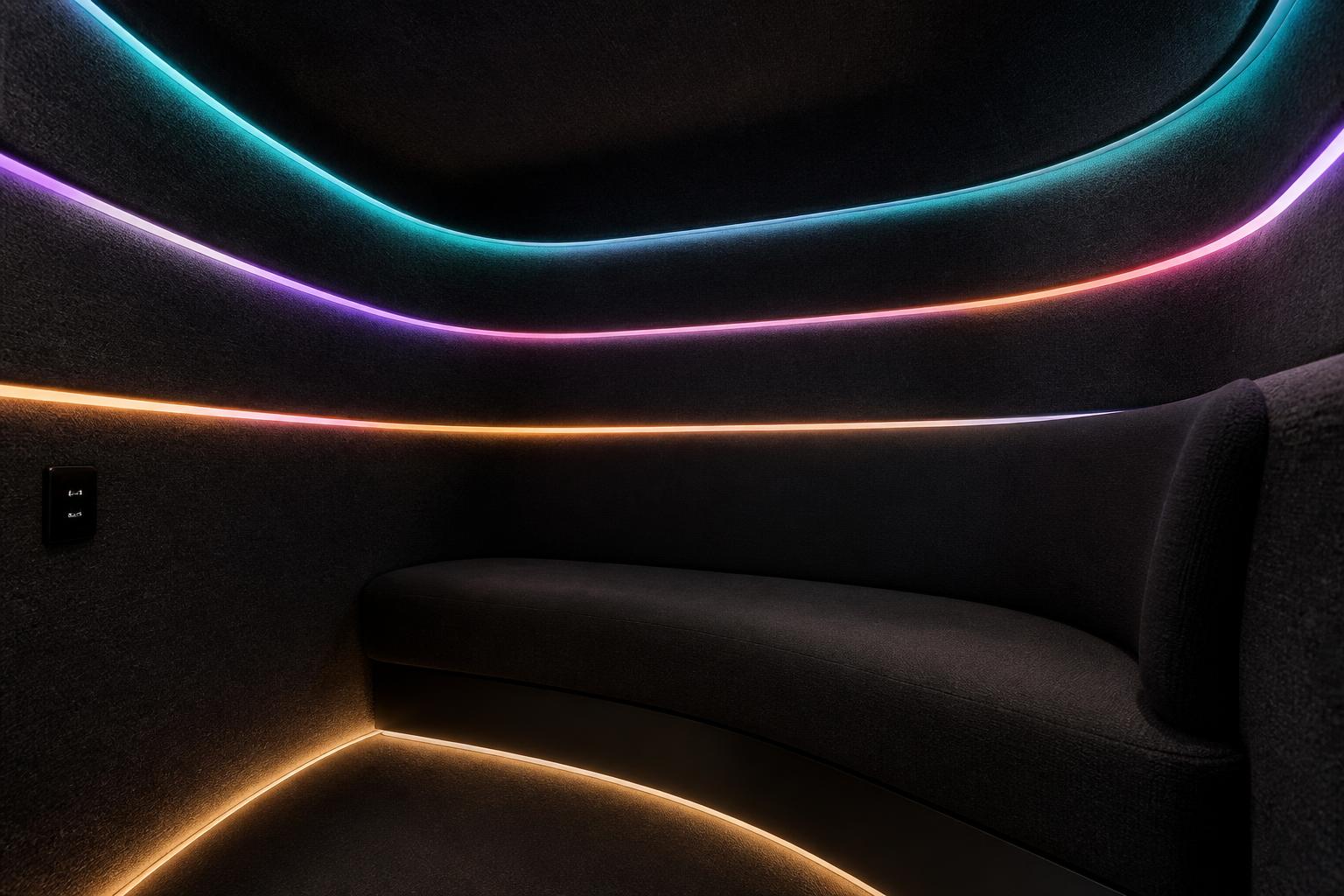
An autism sensory room is a space where an autistic child or adult can lower sensory input, regulate their nervous system and feel safe. The best ones are not the most expensive. They are the most predictable, the calmest, and the ones the person helped design.
What is a sensory room for autism?
A sensory room for autism is a dedicated space with controllable light, sound, texture and movement. For many autistic people, everyday environments are too loud, too bright or too unpredictable. A sensory room gives them somewhere to reset, either by calming an overloaded system or by gently providing the input they seek.
Calming sensory room ideas for autism
- Warm, dimmable lighting. Avoid bright overhead lights, flicker and fast colour changes.
- Soften the sound. Acoustic panels, rugs, soft furnishings and ear defenders by the door.
- Deep pressure. Weighted blanket, beanbag, large cushions, a small den or tent to tuck into.
- One slow focal point. A bubble tube, fibre optic lights or a gentle projection, not several at once.
- Calming colours. Muted, natural tones such as soft greens, blues and warm neutrals.
- Predictability. The same layout every time, a picture card showing what happens in the room, and a visual timer.
- Choice and control. The person chooses the lights, sound and how long they stay.
- A clear way out. The door is always visible and never locked.
Sensory room equipment for autism: a simple list
Start with these and add only what gets used:
- Dimmable warm lights or LED strips with a slow, steady setting
- Bubble tube or fibre optic lights
- Weighted blanket and lap pad
- Beanbag or floor cushions
- Ear defenders and soft background sound
- Tactile and fidget basket
- Visual timer and routine cards
- Optional wall padding or soft mats for people who seek crash and movement input
Autism home sensory room and bedroom ideas
You do not need a spare room. A corner of a bedroom, a pop-up tent, a converted cupboard under the stairs or a garage can work. Keep it uncluttered, use blackout curtains, add one light source and a soft seat, and keep the same set-up every day. For a self-contained space indoors or in the garden, a bespoke Peace POD or sensory pod gives a quiet, calm room in any size.
Sensory room for adults with autism
Autistic adults benefit just as much, at home and at work. Adult spaces often look calmer and more grown up: soft lighting, a comfortable chair, noise reduction, plants and natural materials. In workplaces, a quiet room or POD supports regulation and can sit alongside a workplace neuroinclusion audit.
Autism sensory rooms in school
In schools, a sensory or calming room should have a written purpose, a staffed route in and out, and a usage log. It is a supported space, never a sanction. Read our calming rooms and SEND rooms guide and our school training for staff.
Benefits of a sensory room for autism
Families and schools commonly report fewer meltdowns, quicker recovery after overwhelm, better sleep routines and more time spent learning. A sensory room works best alongside understanding adults, so pair the space with practical strategies and, where helpful, coaching.
Costs and grants for an autism sensory room in the UK
- Sensory corner at home: a few hundred pounds.
- Converted room: typically £2,000 to £8,000.
- Bespoke sensory POD: priced to your size and specification, indoor or outdoor. See POD prices.
Families may be able to apply to charities such as the Family Fund, and some councils fund home adaptations through a Disabled Facilities Grant. Schools often use SEN budgets or the Inclusive Mainstream Fund. Check eligibility with each funder.
Next step
Tell us about the person and the space, and we will help you plan a sensory room or POD that really gets used. Book a free discovery call or read more sensory room ideas.
Frequently asked questions
- What should be in a sensory room for autism?
- Warm dimmable lighting, sound softening, deep-pressure items such as a weighted blanket and beanbag, one slow focal point like a bubble tube, a tactile basket, ear defenders and a visual timer. Add only what the person actually uses.
- What colours are calming for an autism sensory room?
- Muted, natural tones such as soft greens, gentle blues and warm neutrals are usually calming. Avoid bright, saturated colours and busy patterns.
- How do I make a sensory room for autism at home?
- Choose a quiet corner or small room, block out bright light, add one soft light source, a beanbag or cushions, a weighted blanket and a few familiar tactile items. Keep the layout the same every day and let the person choose the settings.
- Are sensory rooms good for autistic adults?
- Yes. Autistic adults also benefit from low-stimulus spaces at home and at work for regulation and recovery, often with a calmer, more grown-up design.
- Can I get a grant for an autism sensory room?
- Families can approach charities such as the Family Fund, and some councils fund adaptations through a Disabled Facilities Grant. Schools often use SEN budgets or the Inclusive Mainstream Fund. Eligibility varies.
Tags
Newsletter
Get new notes in your inbox.
Short, practical writing on brain training, coaching, and calmer work. No spam. Unsubscribe any time.
By subscribing you agree to our Privacy Policy.