


Updated 8 October 2026
Inclusive Mainstream Fund: How Schools Can Use It for Sensory-Friendly Spaces, Quiet Rooms and Inclusion Bases
For headteachers, SENDCos, school business managers and governors planning how to use this year's Inclusive Mainstream Fund allocation to create calm, sensory-friendly and flexible learning environments.
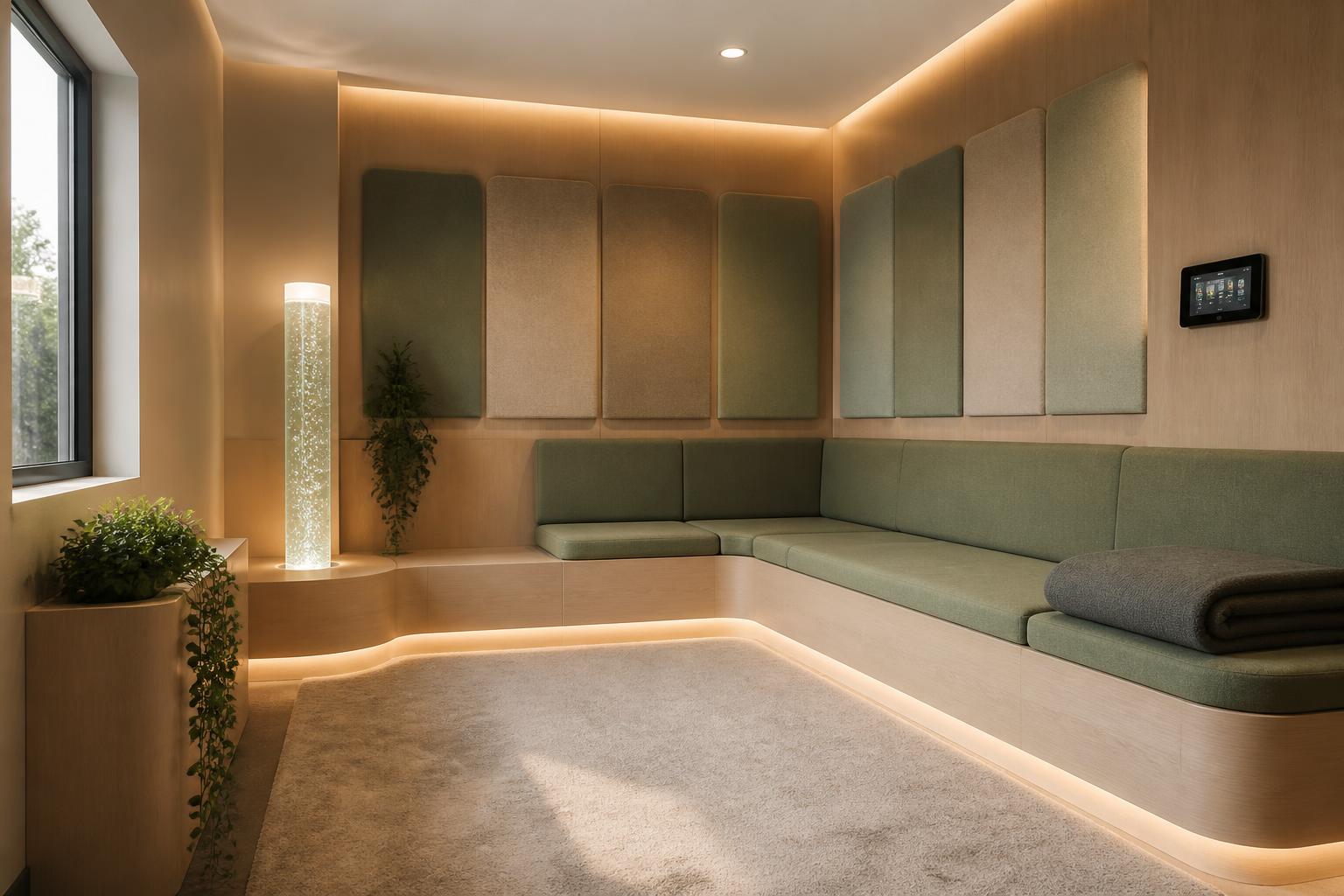
This year mainstream schools in England are receiving an allocation through the Inclusive Mainstream Fund (IMF). The Department for Education has published best-practice guidance for schools setting out how the money can be used to build a system that is "inclusive by design". One of the clearest themes in that guidance is the physical environment: calm, accessible, sensory-friendly spaces that help pupils regulate, learn and stay in mainstream education.
This guide explains what the guidance actually says, how a sensory space or quiet room fits within it, and how to plan, evidence and report the spend so it stands up to scrutiny from governors, your trust and families.
What is the Inclusive Mainstream Fund?
The Inclusive Mainstream Fund is a grant announced in the schools white paper Every child achieving and thriving and the SEND reform consultation Putting children and young people first. Its purpose is to give mainstream schools more resource to remove commonly occurring and predictable barriers to learning for all pupils, not only those with SEND, and to fund targeted, evidence-based support where the universal offer is not enough.
Schools are expected to:
- understand the needs of their cohort first
- plan whole-school approaches to inclusion
- publish an inclusion strategy from December 2026, including how their IMF funding has been deployed
What the guidance says about environments and quiet spaces
The DfE frames inclusion around seven principles. One of them is "inclusive environments with continuous improvements to accessibility". Under Creating inclusive environments, the guidance says classrooms should "minimise distraction, and meet a range of sensory and regulatory needs", and that all spaces should "aid learning, development and regulation". Examples include:
- improving classrooms, corridors and other high-traffic spaces to meet a range of sensory needs, such as acoustics, lighting, temperature and removing visual clutter
- creating visual supports such as timetables and communication aids
- enhanced onboarding and phased transitions
- carefully selected technology to support a range of needs
Under A safe and respectful culture, the guidance also lists the development of quiet spaces to be used at lunchtimes or breaktimes for pupils who need them.
The examples are described as "not prescriptive or exhaustive", so each school decides what will make the biggest difference for its own pupils. A well-planned sensory space, calming room or inclusion base is one way to deliver these principles in practice.
Sensory space, quiet room or inclusion base: what is the difference?
| Option | What it is | Best for |
|---|---|---|
| Sensory-friendly classroom | Adjusting an existing classroom: softer lighting, acoustic panels, reduced clutter, a calm corner | Whole-class, universal offer |
| Quiet room or calming room | A small, low-stimulus space pupils can use to regulate, often at breaks or when overwhelmed | Pupils who find busy spaces hard |
| Sensory room | A dedicated room with regulating equipment such as lighting, tactile and calming resources | Planned regulation sessions |
| Inclusion base | A flexible, staffed space supporting learning, regulation and reintegration into class | Pupils at risk of leaving mainstream |
| Indoor or garden POD | A self-contained, ready-made calming space that needs no building works indoors | Schools short on spare rooms |
Planning a sensory space with your IMF allocation: a checklist
- Start with your cohort data. Which pupils are struggling with regulation, attendance or time out of class? The guidance expects spending to follow need.
- Link it to a principle. Record it under "inclusive environments" or "safe and respectful culture" in your inclusion strategy.
- Decide the model. Universal (sensory-friendly classrooms), targeted (a quiet room or inclusion base) or both.
- Plan staffing and training. A space works best when staff know how to use it. Pair the space with practical staff CPD on regulation and neurodiversity.
- Set clear use and safeguarding rules. A calming space is a support, never a place of isolation or sanction.
- Measure impact. Track time in class, incidents, attendance and pupil voice before and after.
- Report it. Include what you funded, why, and what changed, in your published inclusion strategy.
How Find Your Inner Peace can help
We work with mainstream schools to turn the guidance into something real and measurable:
- Peace PODs: ready-made indoor and garden calming spaces for regulation, ideal where there is no spare room.
- Sensory and calming room design: practical advice on lighting, acoustics, layout and equipment.
- CPD-accredited staff training: neurodiversity and regulation training so staff can use the space well.
- Impact reporting support: simple before-and-after measures you can include in your inclusion strategy.
Our training is listed with the CPD Standards Office, and our work is led by a neurodivergent founder with lived experience of what helps.
For costs, see our sensory rooms for schools guide. Always check your own allocation, conditions and reporting requirements with the official DfE guidance and your local authority or trust.
Frequently asked questions
- What is the Inclusive Mainstream Fund?
- It is a Department for Education grant for mainstream schools in England, designed to help them remove predictable barriers to learning for all pupils and provide targeted, evidence-based support for pupils whose needs cannot be met through the universal offer alone.
- Can the Inclusive Mainstream Fund pay for a sensory room?
- The DfE guidance lists improving spaces to meet a range of sensory needs and developing quiet spaces for pupils who need them as examples of best practice. A sensory room or calming space can fit within this where it responds to the needs of your cohort. Check your own allocation conditions with the official guidance.
- Do schools have to report how they spend the fund?
- Yes. Schools will be required to publish an inclusion strategy from December 2026, and the DfE expects them to report how they deploy their Inclusive Mainstream Fund to improve their universal offer and remove barriers to learning.
- Is a quiet room the same as an isolation room?
- No. A quiet or calming room is a voluntary, supportive space that helps pupils regulate and return to learning. It should never be used as a sanction or for isolation.
- What if we do not have a spare room?
- Options include making classrooms and corridors more sensory-friendly, creating a calm corner, or installing a self-contained indoor or garden Peace POD that needs no building works indoors.
Tags
Newsletter
Get new notes in your inbox.
Short, practical writing on brain training, coaching, and calmer work. No spam. Unsubscribe any time.
By subscribing you agree to our Privacy Policy.