

September 9, 2026
ADHD and Nervous System Regulation: Why Calm Has to Come First
Why ADHD and autistic brains regulate differently, why productivity systems keep failing, and what works instead at home, school and work.
The most common thing we hear from ADHD adults is not "I do not know what to do". It is "I know exactly what to do and I cannot make myself do it".
That gap is usually not a knowledge problem, a motivation problem, or a character problem. It is a regulation problem. An ADHD brain in dysregulation cannot reach its own strategies, which is why the planner, the app and the colour coded system all worked brilliantly for nine days and then stopped.
This article explains the link between ADHD, autism and nervous system regulation, and what to do differently. It builds on our guide to nervous system regulation and the fast calming techniques that go with it.
How does ADHD affect the nervous system?
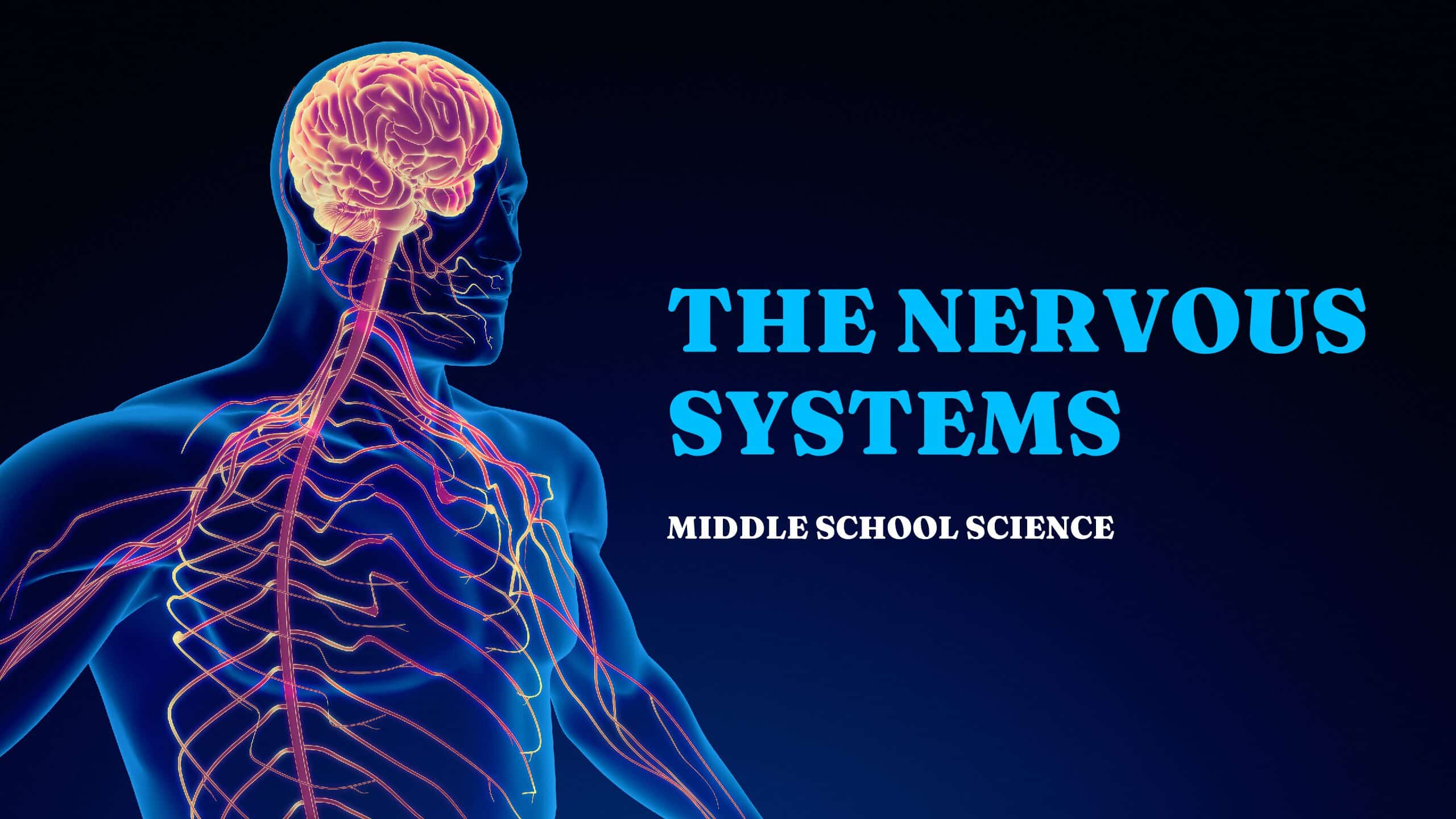
ADHD is an attention and arousal regulation difference, not only an attention deficit. The same brain can be under-aroused and unable to start, or over-aroused and unable to stop, sometimes within the same hour. Add sensory sensitivity, interoception differences and years of stress, and the baseline sits higher than it should.
Practically, that means three things:
- Activation costs more. Starting, stopping and switching all draw on the same limited resource.
- Recovery takes longer. The come down after a demanding day is slower, so load accumulates across a week.
- Emotion arrives at full volume. Rejection sensitivity and quick anger are regulation events, not personality flaws.
Why productivity systems fail a dysregulated brain
Most systems assume a regulated starting point. They assume you can sit, choose, sequence and begin. Those are exactly the functions that go offline first when the nervous system is activated or shut down.
So the sequence has to change. Regulate first, then plan. A five minute reset before a task is not procrastination, it is the thing that makes the task possible.
The other common failure is stillness. Being told to sit quietly and meditate removes the sensory input that was keeping an ADHD nervous system steady, and often increases distress. Movement, rhythm, pressure and sound work far better than silence, which is why generic mindfulness apps disappoint so many people. We wrote about that in why Calm and Headspace fail ADHD brains.
Autistic burnout and the shutdown end
Regulation is not only about calming down. Many autistic and AuDHD adults spend more time in shutdown than in activation: flat, foggy, wordless, exhausted by things that used to be manageable.
Shutdown does not respond to more rest alone. It responds to reduced demand plus gentle, rhythmic re-engagement: short walks, warmth, predictable routine, low sensory input, and permission to stop masking. Pushing through is what created the debt in the first place.
What actually works
At home
- One consistent regulating routine at the same point each day, usually after school or after work
- Sensory tools chosen by preference, not by theory: weight, cold, sound, movement, pressure
- Transitions planned rather than announced, with time built in either side
At school
- Movement breaks before behaviour escalates, not as a consequence of it
- A predictable low sensory space that is available without having to ask in front of peers
- Adults regulating first, because children borrow a calm nervous system before they build their own
At work
- Recovery time scheduled after demanding meetings, not only after a crash
- Noise, light and interruption treated as workload
- Adjustments framed as regulation, which is what they are, and often funded through Access to Work
Regulation before strategy: a simple order of operations
- Body first. Long exhale, cold, movement, pressure. Two to five minutes.
- Environment second. Lower noise and light, close tabs, clear the surface.
- Task third. One next physical action, small enough to be boring.
- Kindness throughout. A harsh inner voice keeps the threat response running, which is why self-compassion belongs in this list rather than in a separate wellbeing category.
Frequently asked questions
Do people with ADHD have a dysregulated nervous system?
Often, yes. ADHD involves differences in arousal regulation, so the same person can be under-aroused and unable to start or over-aroused and unable to stop. Years of stress and sensory load can raise that baseline further.
Why can I not start tasks even when I want to?
Because starting depends on executive functions that go offline when the nervous system is activated or shut down. Regulating first, for two to five minutes, restores access to the strategies you already have.
Does nervous system regulation help ADHD symptoms?
It does not replace clinical treatment, but it reliably improves the conditions ADHD strategies depend on: sleep, emotional recovery, tolerance of sensory input and the ability to start and switch tasks.
What is the difference between an ADHD meltdown and autistic burnout?
A meltdown is an acute overload that peaks and passes. Autistic burnout is a longer term depletion, lasting weeks or months, with loss of skills and capacity. Meltdowns need immediate regulation; burnout needs sustained reduction of demand.
Can nervous system regulation be taught to children?
Yes, and it works best when adults model it. Lower your voice, slow your movements, offer sensation before conversation, and save the reflection for after the storm has passed.
Where to go next
If you recognise the pattern, coaching that starts with the nervous system rather than the to-do list tends to hold. Our ADHD coaching across the UK works this way, our nervous system and brain training teaches regulation as a trainable skill, and our CPD-accredited training brings the same approach into schools and workplaces.
You can book a free discovery call to talk it through first. No pressure, no diagnosis needed.
Tags
Newsletter
Get new notes in your inbox.
Short, practical writing on brain training, coaching, and calmer work. No spam. Unsubscribe any time.
By subscribing you agree to our Privacy Policy.