


March 24, 2026
The Neurodivergent Nervous System: Why Emotional Regulation Looks Different for Every Mind
Emotional regulation starts in the nervous system. Why neurodivergent people experience emotion differently — and dignity-preserving strategies that help.
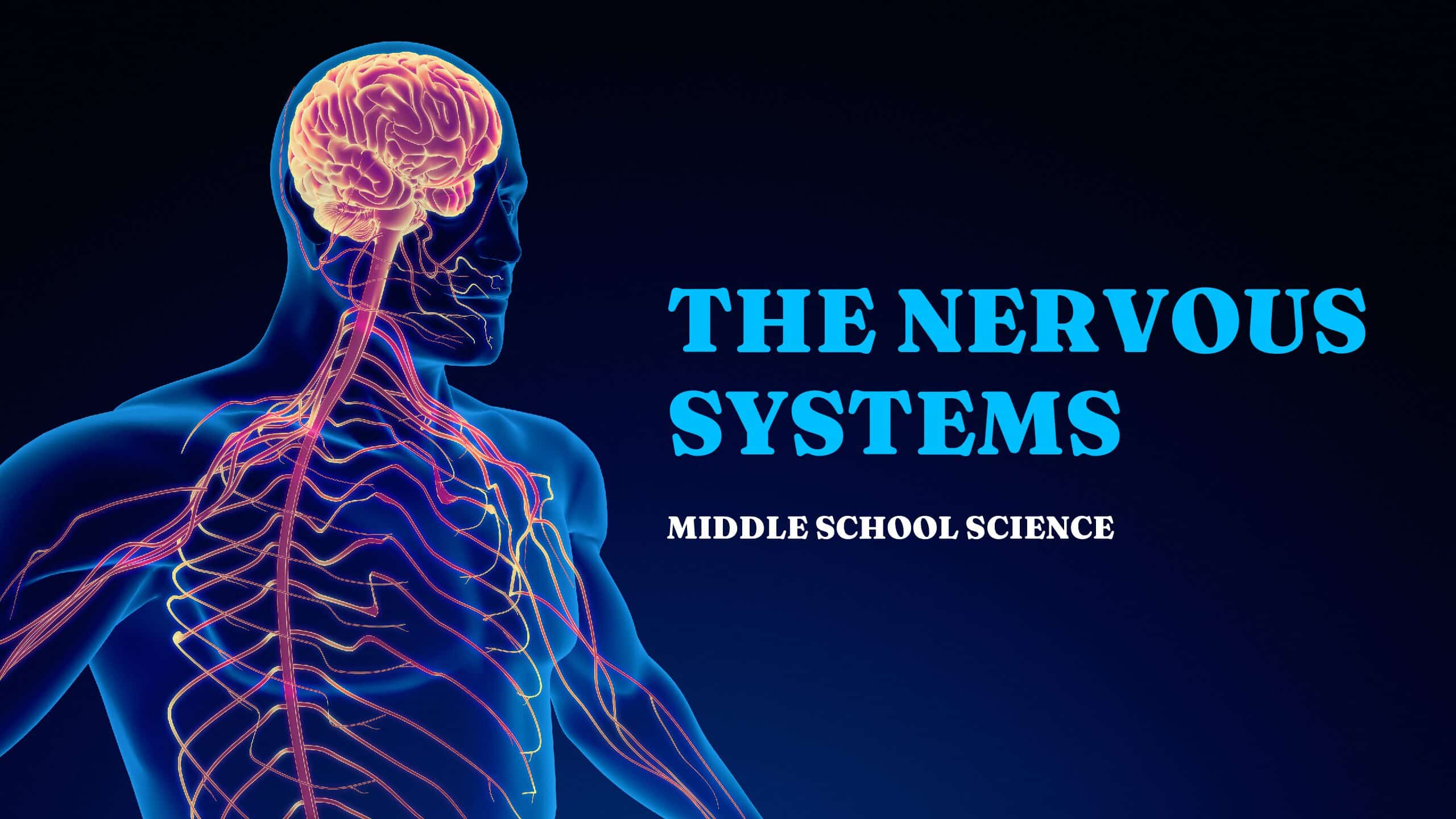
Emotional regulation isn't a one-size-fits-all skill. For neurodivergent people — autistic adults, people with ADHD, dyslexia or other differences — emotions often arrive stronger, faster, and linger longer. That's not failure: it's a different nervous-system calibration. Understanding how the body signals safety or threat is the first step to compassionate, effective support.
Why emotional responses begin in the body
• The nervous system reacts before conscious thought. Subtle signals — heart rate, breathing, muscle tension — tell the brain if the environment is safe. • Neurodivergent nervous systems can be more sensitive to sensory input, change, or social demand, so the baseline for "threat" is often different. • What looks like emotional dysregulation on the outside (meltdowns, shutdowns, intense reactions) is often a core nervous-system response to overwhelm.
Common regulation patterns in neurodivergence
• Heightened reactivity — emotions can escalate rapidly. • Slow recovery — returning to baseline may take longer than expected. • Sensory-driven responses — lights, noise, textures or crowded spaces increase load. • Masking and fatigue — suppressing reactions can lead to later overwhelm or bursts.
Shift from "fix them" to "support the system"
Validation first reduces shame and lowers triggers. Offering choices — a quiet space, a sensory tool, or a brief movement break — provides safety and space for self-regulation. Environmental adjustments like predictable routines and reduced sensory noise are accessibility, not spoiling.
Practical, dignity-preserving strategies
- Micro-regulation breaks — 1–3 minute activities such as rhythmic movement, grounding or fidget tools that lower arousal without demanding stillness.
- Anchor language — clear, concrete statements about feelings and next steps ("I notice your voice is tight. Would you like a drink or a short walk?").
- Pre-teach coping plans — co-create a short plan for escalating states so responses are predictable and empowering.
- Interoception practice — gentle exercises to notice hunger, tension or breath enhance early awareness and quicker regulation.
When to seek professional help
Consider specialist support if long recoveries or frequent episodes significantly disrupt daily life, if safety is a concern, or when tailored therapies (e.g. occupational therapy for sensory differences) are needed.
Dignity, not deficit
Viewing emotional regulation as a nervous-system difference changes the conversation. Practical supports, predictable environments and short regulation tools let neurodivergent people thrive — without being asked to become someone else.
Want this as a one-page handout or a short staff training session? Get in touch through the contact page.
Share this post
Copy the link to share on Instagram or TikTok.
Newsletter
Get new notes in your inbox.
Short, practical writing on brain training, coaching, and calmer work. No spam. Unsubscribe any time.
By subscribing you agree to our Privacy Policy.