
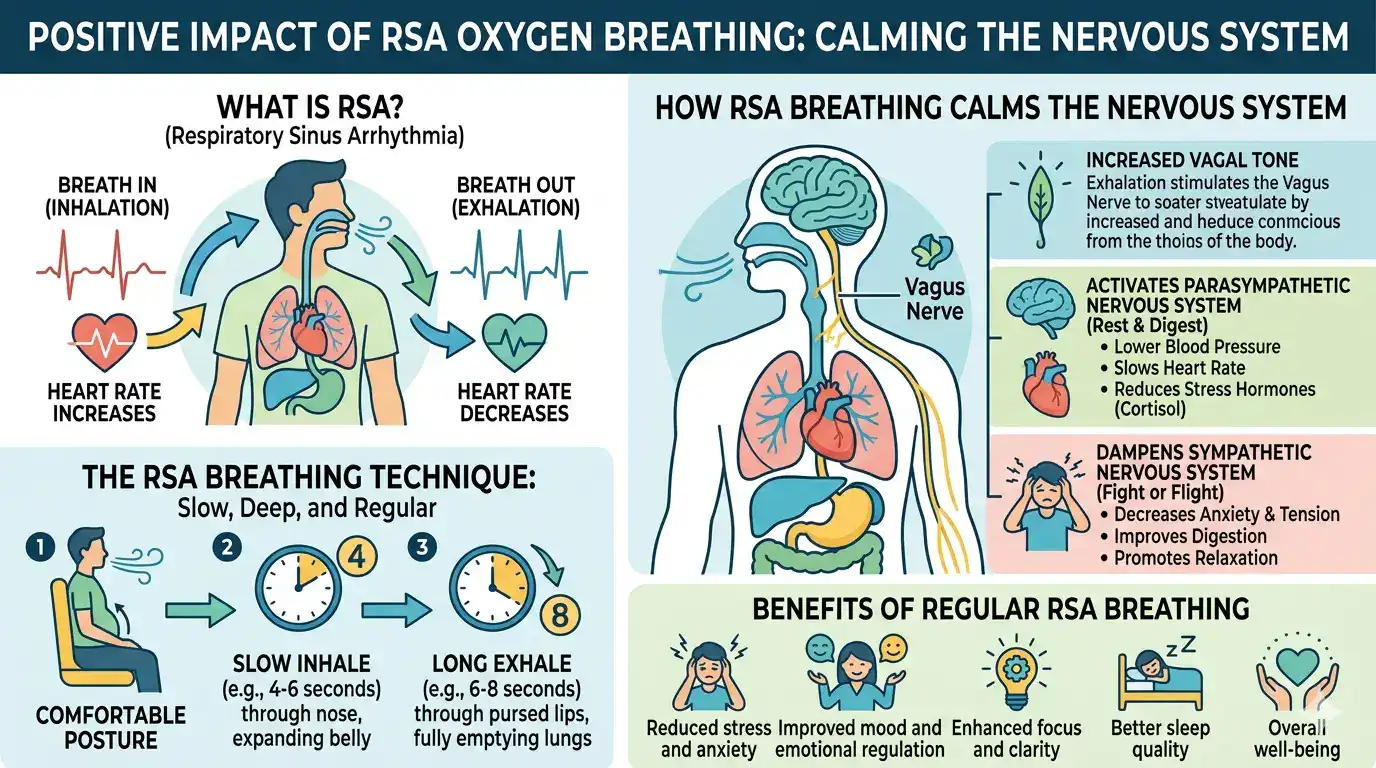
Emotional regulation starts in the nervous system.
Learn why neurodivergent people experience emotion differently and practical, dignity-preserving strategies to support regulation. Emotional regulation isn’t a one-size-fits-all skill. For neurodivergent people, autistic adults, people with ADHD, dyslexia or other differences, emotions often arrive stronger, faster, and linger longer. That’s not failure: it’s a different nervous-system calibration. Understanding how the body signals safety or threat is the first step to compassionate, effective support.Why emotional responses begin in the body
- The nervous system reacts before conscious thought. Subtle signals (heart rate, breathing, muscle tension) tell the brain if the environment is safe.
- Neurodivergent nervous systems can be more sensitive to sensory input, change, or social demand, so the baseline for “threat” is often different.
- What looks like emotional dysregulation outwardly (meltdowns, shutdowns, intense reactions) is often a core nervous-system response to overwhelm.
- Antioxidant Heroes: Blueberries, spinach, dark chocolate, walnuts
- Immune-Boosting Spices: Turmeric, ginger, garlic, cinnamon
Common regulation patterns in Neurodivergence
Heightened reactivity: Emotions can escalate rapidly.
Slow recovery: Returning to baseline may take longer than expected.
Sensory-driven responses: Lights, noise, textures or crowded spaces increase load.
Masking and fatigue: Suppressing reactions can lead to later overwhelm or bursts.
Shift from “fix them” to “support the system”
A mindset shift makes a big difference!
Validation first reduces shame and lowers the triggers. Offering choices, a quiet space, sensory tool, or brief movement break, provides safety and space for self -regulation. Environmental adjustments like predictable routines and reduced sensory noise are an accessibility, not spoils. Practical, dignity-preserving strategies- Micro-regulation breaks: 1–3 minute activities such as rhythmic movement, grounding or fidget tools that lower arousal without demanding stillness.
- Anchor language: Use clear, concrete statements about feelings and next steps (e.g., “I notice your voice is tight. Would you like a drink or a short walk?”).
- Pre-teach coping plans: Co-create a short plan for escalating states so responses are predictable and empowering.
- Interception practice: Gentle exercises to notice hunger, tension, or breath enhance early awareness and quicker regulation.